
Emergency Medication Guide for Cyprus: What Every Household Should Have
Essential medications and first aid supplies every Cyprus household should keep on hand. Learn what to stock for common emergencies, how to store medications properly, and when to seek professional medical help.
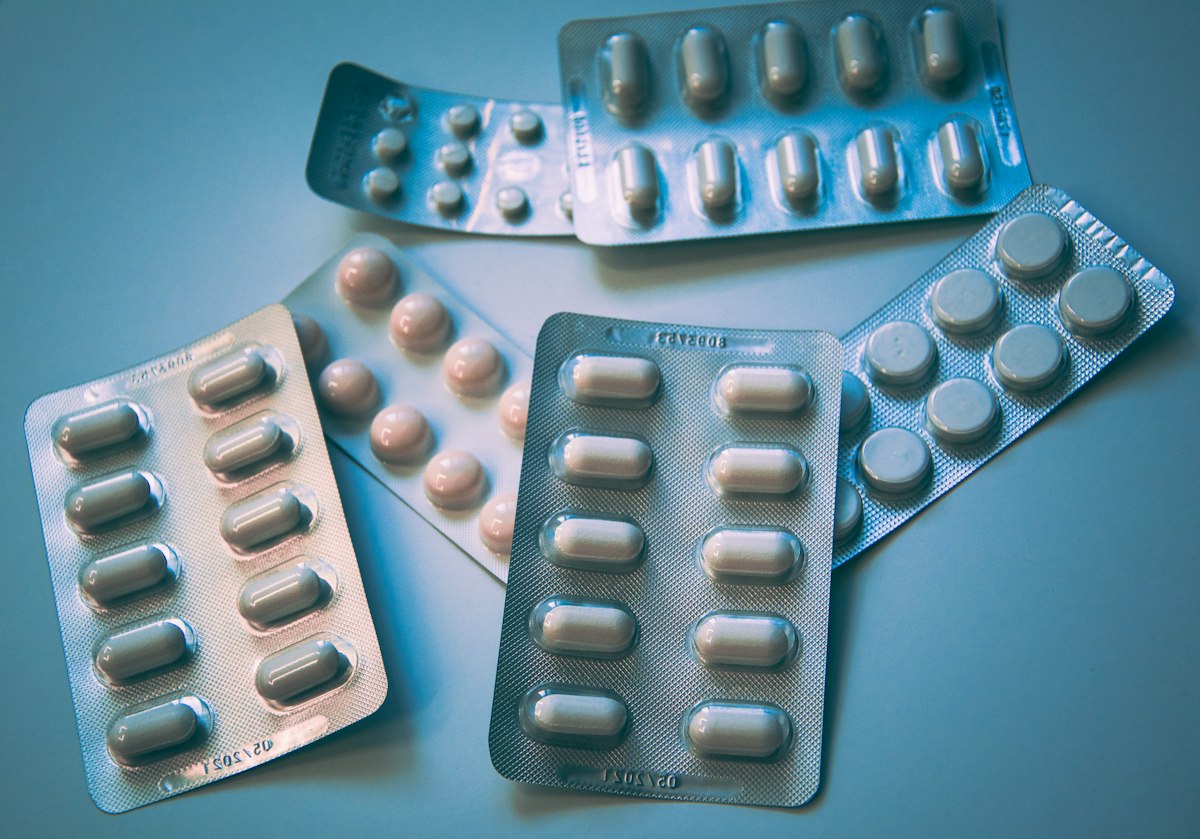
Emergency Medication Guide for Cyprus: What Every Household Should Have
Medical emergencies don't follow office hours. Whether it's a child's sudden fever at 3 AM, an unexpected allergic reaction, or a minor injury that needs immediate attention, having essential medications and first aid supplies at home can mean the difference between managing a situation calmly and panicking while searching for an open night pharmacy.
This comprehensive guide outlines exactly what medications and supplies every Cyprus household should maintain, tailored specifically for the island's climate, common health challenges, and healthcare system.
Why Medication Preparedness Matters in Cyprus
Cyprus presents unique factors that make home medication preparedness especially important:
Geographic Considerations
- Island location: You can't quickly pop across a border to another country for medications
- Regional distances: In emergencies, the nearest 24-hour pharmacy may be 15-30 minutes away depending on your location
- Summer tourism: Peak season can mean crowded pharmacies and longer wait times
- Rural areas: Villages may have limited pharmacy access even during regular hours
Climate-Related Needs
- Intense summer heat: Sun exposure, dehydration, and heat-related illness common June-September
- Seasonal allergies: Pollen season brings respiratory issues
- Tourism season: Higher risk of infections and injuries when beaches and attractions are packed
- Insect activity: Mosquitoes, wasps, and other insects particularly active in warmer months
Healthcare System Realities
- GESY coverage: While excellent, still requires prescriptions for most medications
- Night pharmacies: Rotating system means the on-call pharmacy changes daily
- Language barriers: In emergencies, finding help quickly in English may be challenging in some areas
- Emergency room alternatives: Minor issues don't require A&E; having home supplies prevents unnecessary hospital visits
Essential Medication Categories
1. Pain Relief & Fever Management
Why Essential: Pain and fever are among the most common emergency symptoms, especially in children.
Must-Have Medications:
For Adults:
-
Paracetamol (Acetaminophen) – 500mg tablets (brand names: Panadol, Depon)
- Dosage: 500-1000mg every 4-6 hours, max 4000mg/day
- Uses: Fever, headaches, general pain
- Shelf life: 2-3 years
-
Ibuprofen – 200mg or 400mg tablets (brand names: Nurofen, Brufen)
- Dosage: 200-400mg every 6-8 hours, max 1200mg/day (OTC)
- Uses: Inflammation, pain, fever
- Shelf life: 2-3 years
For Children:
-
Paracetamol liquid suspension – Age-appropriate concentration
- Essential for children unable to swallow tablets
- Fever is especially common in children
- Keep dosing syringe included in packaging
-
Ibuprofen liquid suspension – Pediatric formulation
- Alternative to paracetamol
- Can alternate with paracetamol for stubborn fever
Cyprus-Specific Notes:
- These are available over-the-counter at all pharmacies
- Generic versions significantly cheaper than branded (same effectiveness)
- Liquid formulations expire faster—check dates regularly
- Keep both paracetamol AND ibuprofen (different mechanisms, can be alternated)
2. Digestive Issues
Why Essential: Food poisoning, viral gastroenteritis, and travel-related digestive upset are common.
Must-Have Medications:
-
Oral rehydration salts – Premixed sachets (Dioralyte, Hydralyte)
- Critical for preventing dehydration from vomiting/diarrhea
- Especially important in Cyprus's hot climate
- Stock: 6-10 sachets minimum
-
Loperamide – 2mg capsules (Imodium)
- For acute diarrhea
- Dosage: 2mg after first loose stool, then 2mg after each subsequent one (max 16mg/day)
- Note: Don't use with high fever or bloody stools
-
Antacids – Calcium carbonate or combination (Rennie, Gaviscon)
- Heartburn, indigestion, acid reflux
- Rapid relief for overeating, spicy food reactions
-
Anti-nausea medication – Dimenhydrinate (Dramamine)
- Motion sickness (boats to Blue Lagoon, winding mountain roads)
- General nausea
Cyprus-Specific Notes:
- Food poisoning risk higher in summer heat
- Tourist areas see more gastro issues during peak season
- Rehydration especially critical given Cyprus climate—dehydration develops quickly
3. Allergies & Respiratory
Why Essential: Cyprus has high pollen counts spring/fall, plus insect stings are common.
Must-Have Medications:
-
Antihistamines – Cetirizine or Loratadine 10mg (Zyrtec, Clarins)
- Daily allergies, hay fever, hives
- Non-drowsy formulations for daytime
- Dosage: Usually 10mg once daily
-
Diphenhydramine – 25mg (Benadryl)
- Acute allergic reactions, severe itching
- Drowsy formula—good for nighttime allergies
- Useful for insect sting reactions
-
Hydrocortisone cream – 1% topical
- Insect bites, minor skin allergies, eczema flares
- Available OTC in Cyprus
Cyprus-Specific Notes:
- Seasonal allergies peak March-May, September-October
- Mosquitoes, wasps, bees common in summer
- Some expats experience new allergies upon moving to Cyprus (different pollen types)
Critical: If someone has severe allergy history requiring EpiPen (epinephrine auto-injector), keep two devices at all times (prescriptions required—see doctor for ongoing supply).
4. Wound Care & First Aid
Why Essential: Minor injuries, cuts, burns, and scrapes happen frequently, especially with children or during outdoor activities.
Must-Have Supplies:
-
Adhesive bandages – Various sizes (Band-Aids)
- 20-30 assorted sizes minimum
- Waterproof versions useful for pool/beach injuries
-
Sterile gauze pads – 4x4 inch, packaged sterile
- Larger wounds, cleaning injuries
- 10-15 pads minimum
-
Medical tape – Paper or fabric tape
- Securing gauze, bandages
-
Antiseptic solution – Povidone-iodine or chlorhexidine
- Wound cleaning before dressing
- Prevents infection
-
Antibiotic ointment – Bacitracin or Neosporin
- Apply to minor cuts/scrapes after cleaning
- Prevents infection
-
Burn gel or cream – Aloe vera or specialized burn treatment
- Sunburn (extremely common in Cyprus)
- Minor kitchen burns
- Keep in refrigerator for cooling effect
-
Elastic bandage – ACE wrap for sprains
- Ankle/wrist injuries
- Compression for swelling
-
Tweezers & scissors – Medical-grade
- Splinter removal
- Cutting tape/gauze
-
Digital thermometer – Oral/forehead type
- Essential for fever assessment
- Required for children
Cyprus-Specific Notes:
- Sunburn is the #1 injury for tourists and locals alike—stock burn treatment
- Beach/water injuries common: sea urchins, jellyfish, sharp rocks
- Hiking injuries (Troodos Mountains, Akamas Peninsula) require basic first aid capability
5. Sun & Heat-Related
Why Essential: Cyprus experiences intense sun exposure May-October, with temperatures regularly exceeding 35°C (95°F).
Must-Have Items:
-
Sunscreen – SPF 50+ broad spectrum
- Multiple bottles (face, body)
- Water-resistant formulations
- Children's specific formulas
- Reapply every 2 hours
-
Aftersun/aloe vera gel – Cooling formula
- Refrigerate for maximum relief
- Apply to sunburned skin multiple times daily
-
Cooling eye masks/gel packs
- Reusable freezable gel packs
- Heat exhaustion relief
Cyprus-Specific Notes:
- UV index frequently 10-11 (extreme) in summer
- Even 15 minutes unprotected can cause burning
- Tourists especially vulnerable (not accustomed to intensity)
6. Common Illness Medications
Why Essential: Colds, flu, and viral infections don't respect schedules.
Must-Have Medications:
-
Decongestant – Pseudoephedrine or phenylephrine
- Nasal congestion, sinus pressure
- Check local availability (some formulations require ID in Cyprus)
-
Cough suppressant – Dextromethorphan
- Dry, persistent cough
- Night-time formulations help sleep
-
Expectorant – Guaifenesin
- Productive cough with mucus
- Helps clear respiratory passages
-
Throat lozenges – Antiseptic/anesthetic types
- Sore throat relief
- Benzocaine or menthol based
-
Saline nasal spray
- Clears nasal passages
- Safe for children and adults
Cyprus-Specific Notes:
- Air conditioning in summer can trigger respiratory symptoms
- Tourist season sees higher transmission of infections
- Seasonal flu typically peaks December-March (Cyprus follows European patterns)
Special Considerations
For Families with Children
Additional items if you have kids at home:
- Age-appropriate dosing devices – Syringes, spoons with ml markings
- Digital ear thermometer – More accurate for young children than forehead types
- Teething gel – Benzocaine-based (if child under 2 years)
- Gripe water – Colic relief
- Diaper rash cream – Zinc oxide based
- Child-safe bandages – Fun designs encourage cooperation
Important: Calculate children's doses by WEIGHT, not age. Keep a written record of each child's current weight.
For Elderly or Chronic Conditions
- Glucose tablets – If diabetic in household
- Blood pressure monitor – If hypertension in household
- Spare inhalers – If asthma/COPD (requires prescription)
- Medication organizer – Weekly pill boxes to prevent missed doses
- Emergency medication list – Written list of all current medications, doses, doctors
For Pet Owners
While this guide focuses on human health:
- Keep vet emergency number saved
- Know location of 24-hour vet clinics
- Some human medications are TOXIC to pets (ibuprofen, paracetamol)—keep separate and secure
Proper Medication Storage
Temperature Control
Cyprus's hot climate requires special attention to storage:
General Rules:
- Store medications at 15-25°C (59-77°F) as specified on packaging
- Most medications: Cool, dark cupboard away from kitchen heat
- Refrigerated items: 2-8°C (refrigerator, not freezer)
Cyprus Summer Challenges:
- Many homes reach 30°C+ indoors if AC not running
- Car interiors can exceed 50°C—NEVER leave medications in cars
- Consider dedicated medication storage in coolest room
- Air-conditioned rooms ideal for medication storage during summer
Expiration Date Management
- Check every 6 months – Set calendar reminder
- Discard expired medications – Don't use past expiry
- First-in, first-out rotation – Use oldest stock first
- Replace before expiration – Don't wait until day after expiry to replace
Organization System
- Clear labeling – Mark with purchase date and expiration
- Categorize – Pain relief together, first aid together, etc.
- Accessibility – Emergency items most accessible
- Child safety – Medications out of children's reach
- Inventory list – Maintain list of what you have and when it expires
When to Seek Professional Help
Having home medications doesn't replace professional medical care. Seek immediate help for:
Call 112 (Emergency Services)
- Severe allergic reaction (difficulty breathing, swelling of face/throat)
- Chest pain or difficulty breathing
- Suspected stroke or heart attack
- Severe bleeding that won't stop
- Loss of consciousness
- Severe burns covering large areas
- Suspected poisoning
Visit Emergency Room
- High fever (>39.5°C/103°F) that won't reduce
- Persistent vomiting preventing fluid intake
- Severe dehydration (sunken eyes, no urination 8+ hours)
- Suspected broken bones
- Deep cuts requiring stitches
- Eye injuries
Call/Visit Night Pharmacy
- Prescription medication needed urgently
- Symptoms requiring prescription treatment (bacterial infection, etc.)
- Pharmacy advice on medication interactions
- Restocking of critical medications (inhalers, etc.)
Wait for Regular Doctor
- Non-urgent issues
- Routine prescription refills
- Ongoing symptom evaluation
- Preventive care
Building Your Emergency Kit: Budget Options
Creating a comprehensive emergency medication kit doesn't require huge expense. Here's a budget-conscious approach:
Initial Investment (€50-75)
Priority 1 (€25-30):
- Paracetamol tablets (adult)
- Ibuprofen tablets (adult)
- Children's paracetamol liquid (if kids)
- Adhesive bandages (assorted pack)
- Antiseptic solution
- Antibiotic ointment
- Digital thermometer
Priority 2 (€15-20):
- Oral rehydration salts (6-pack)
- Antihistamine (cetirizine or loratadine)
- Hydrocortisone cream
- Burn gel/aloe vera
- Loperamide (diarrhea)
- Antacid tablets
Priority 3 (€10-15):
- Sunscreen SPF 50+
- Elastic bandage
- Gauze pads
- Medical tape
- Tweezers/scissors
Annual Maintenance (€20-30)
- Replace expired items
- Restock used medications
- Update for seasonal needs
Money-Saving Tips
- Generic brands: Identical active ingredients, 50-70% cheaper
- Larger quantities: 30-packs vs 10-packs offer better value
- Supermarket pharmacies: Often cheaper than standalone pharmacies
- Don't overbuy: Expiration dates mean unused medications are wasted money
- GESY coverage: For prescription items, use your coverage (€1 co-pay vs full price)
Cyprus-Specific Medication Availability
Easily Available OTC
These require no prescription in Cyprus:
- Paracetamol, ibuprofen (standard doses)
- Antihistamines (cetirizine, loratadine)
- Antacids
- Loperamide
- First aid supplies
- Basic topical creams
Prescription Required
These need doctor prescriptions:
- Antibiotics (all types)
- Strong painkillers (codeine, tramadol)
- Asthma inhalers
- Most chronic disease medications
- EpiPens (epinephrine)
- Prescription-strength antihistamines
Regional Variations
- Tourist areas: Broader OTC selection, staff speak English
- Villages: Limited selection, may need to order items
- City pharmacies: Largest inventories, most variety
- Hospital pharmacies: Specialized medications
Medication Safety Tips
General Safety
- Read labels carefully – Especially for children's doses
- Don't share prescription medications – Even for seemingly similar conditions
- Check drug interactions – Ask pharmacist if taking multiple medications
- Keep in original packaging – Maintains proper labeling and expiry information
- Child-proof storage – Accidental poisoning major risk for young children
Cyprus-Specific Safety
- Heat degradation – Medications can lose effectiveness in extreme heat
- Humidity in coastal areas – Can affect some medications; silica gel packets help
- Translation – If medication labeled in Greek, have pharmacist write English instructions
- Generic name familiarity – Learn generic names, as brand names differ between countries
Frequently Asked Questions
Q: Can I bring medications from my home country to stock my Cyprus emergency kit?
A: For personal use, yes (within reasonable quantities). However, ensure medications are legal in Cyprus and not expired. Prescription medications should have accompanying prescription documentation.
Q: How do I dispose of expired medications safely?
A: Return to any pharmacy—they have proper disposal systems. Don't flush or throw in regular trash.
Q: Are British medications different from Cyprus ones?
A: Active ingredients are the same, but brand names often differ. Packaging and dosing instructions may be in different languages.
Q: What if I need prescription medication urgently?
A: Visit emergency room for evaluation and prescription, then fill at night pharmacy. GESY covers emergency prescriptions.
Q: Can pharmacists prescribe medications in Cyprus?
A: No. Pharmacists can recommend OTC medications but cannot prescribe prescription-only medications. You need a doctor's prescription.
Q: Should I keep a medication list for family members?
A: Yes, especially for elderly family members or those with chronic conditions. Include medication names, doses, frequency, and prescribing doctor.
Conclusion
A well-stocked home medication kit is one of the smartest investments any Cyprus household can make. With proper planning, you can handle most minor medical situations confidently without midnight pharmacy trips or emergency room visits for non-urgent issues.
Key Takeaways:
- Start with essentials – Pain relief, fever management, first aid
- Cyprus-specific additions – Sun protection, heat management, rehydration salts
- Proper storage – Cool, dark, dry location; special care in summer
- Regular maintenance – Check expiration dates every 6 months
- Know your limits – Serious symptoms require professional medical care
- Budget-friendly approach – Generic brands, thoughtful purchasing
Remember: Home medications supplement professional healthcare, they don't replace it. When in doubt, consult a healthcare professional.
Find Tonight's On-Call Pharmacy in Your Region
Use our live duty schedule finder to locate the nearest open pharmacy:
- Night Pharmacies Nicosia (Λευκωσία) — capital & suburbs
- Night Pharmacies Limassol (Λεμεσός) — city & beach hotels
- Night Pharmacies Larnaca (Λάρνακα) — airport & coastal areas
- Night Pharmacies Paphos (Πάφος) — heritage & resort areas
- Night Pharmacies Ammochostos (Αμμόχωστος) — Ayia Napa & Protaras
Updated daily from the official Cyprus Pharmaceutical Association schedule.
Ετικέτες